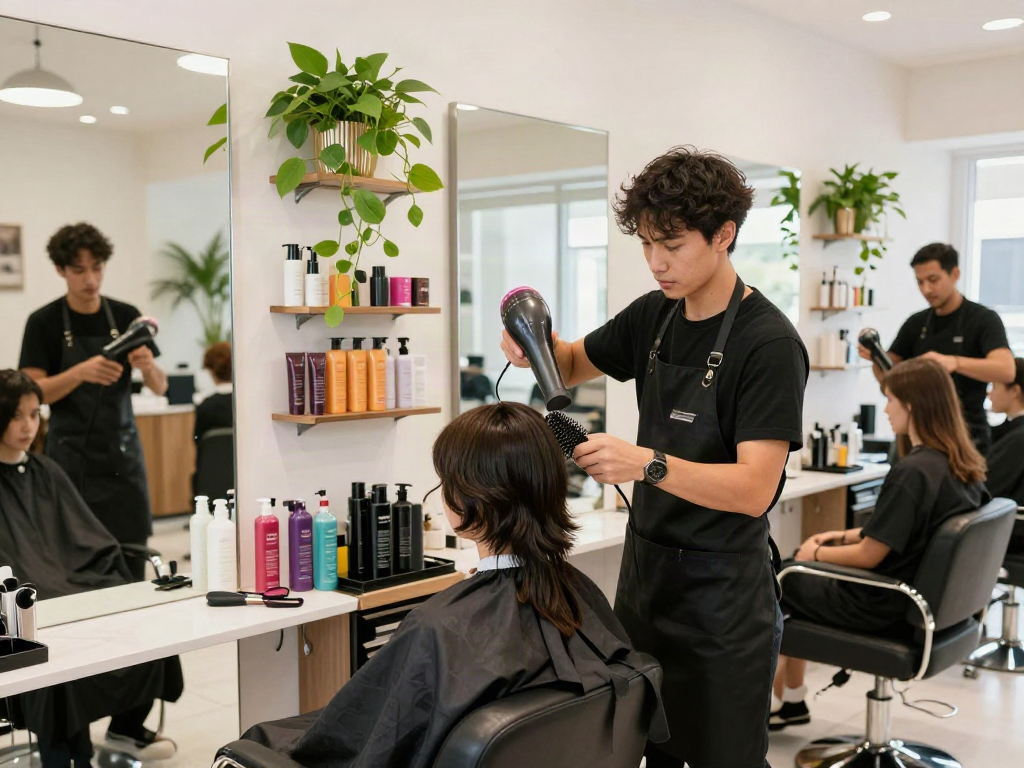
Understanding Your Hair Needs
Every individual has unique hair requirements that stem from various factors, including hair type, texture, and personal styling goals. Recognizing these needs can significantly enhance your salon experience and help you achieve the desired look. When exploring options, https://carbonegroupparrucchieri.it/ provides comprehensive insights into understanding your hair's specific characteristics. This knowledge empowers clients to communicate effectively with their hairstylists and receive tailored services.
Identifying Your Hair Type and Texture
To begin your hair journey, it's crucial to identify your hair type—whether it is straight, wavy, curly, or coily. Each type has distinct characteristics that affect how your hair responds to products and styling methods. Hair texture is also a key factor, categorized into fine, medium, and coarse strands. Understanding these aspects helps in selecting suitable hair products and techniques.
- Straight Hair: Generally shiny and smooth, straight hair tends to be more resilient but can become greasy quickly.
- Wavy Hair: This type offers versatility, possessing natural volume and movement.
- Curly Hair: Curls can range from loose waves to tight coils, requiring specific moisture and care routines.
- Coily Hair: Very tight curls or zigzag patterns, coily hair often needs extra hydration and care to maintain its health.
Common Hair Issues and Solutions
No matter your hair type, common issues can arise, such as dryness, frizz, and damage. Understanding these problems allows for better management.
- Dryness: Use hydrating shampoos and conditioners, and incorporate deep conditioning treatments regularly.
- Frizz: Opt for anti-frizz products and avoid heat styling.
- Split Ends: Regular trims and nourishing hair oils can help minimize this issue.
Setting Hair Goals: What Do You Want to Achieve?
Before visiting a salon, it's beneficial to define what you're aiming to achieve. Are you looking for a completely new style, or do you simply need a trim? Setting realistic goals can lead to satisfaction with your hair transformations.
Additionally, establishing long-term goals, such as hair growth or color maintenance, can guide your future salon visits.
Researching Local Hair Salons
Choosing the right salon is essential for ensuring you receive quality services. Researching local hair salons involves a few strategic steps that can save time and enhance your experience.
Online Reviews: What Customers Are Saying
Online reviews serve as a valuable resource when selecting a hair salon. Platforms like Google, Yelp, and social media can provide insights into customer experiences, helping you gauge the salon’s reputation. Look for patterns in customer feedback regarding stylist expertise, atmosphere, and service quality.
Salon Services and Specializations
Different salons offer varied services, from basic cuts to specialized treatments like balayage, keratin treatments, or color correction. It’s important to choose a salon that aligns with your specific hair needs. Some salons may excel in creative coloring, while others might focus on precision cuts or treatments for damaged hair.
Visuals: Checking Out Before-and-After Galleries
Studying galleries of past work, often found on salon websites and social media, can give you a clear idea of a salon’s aesthetic and stylist skills. Look for transformations that resonate with your desired look to find a stylist who suits your taste.
Visiting the Salon: What to Look For
During your visit to the salon, several factors can indicate whether you've made the right choice. Paying attention to these elements ensures a satisfactory experience.
Salon Cleanliness and Atmosphere
The overall cleanliness of the salon speaks volumes about its professionalism. A well-organized, clean environment not only promotes a positive experience but also reflects the hygiene practices in place.
Staff Professionalism and Attitude
Take note of how staff members interact with clients and each other. Professionalism in communication, respect for clients' preferences, and a friendly demeanor can significantly enhance your salon visit.
Client Interaction and Consultation Process
A thorough consultation is a hallmark of a good salon. Ensure that your stylist takes the time to understand your hair history, concerns, and goals. This interaction is key to achieving the results you desire.
Evaluating Products and Techniques Used
Understanding the products and techniques used during your appointment is vital to the health of your hair. Knowledge of what's being applied can help avoid adverse reactions and undesired results.
Understanding Product Quality and Ingredients
High-quality products often yield better results. Look for salons that use reputable brands and consider ingredients that suit your hair's needs—avoiding harsh chemicals when possible.
Stylists’ Techniques: Trends vs. Traditional
Stylists may employ various techniques, from contemporary trends to traditional methods. Discussing these with your stylist can help align their skills with your desired outcome.
Checking for Safety and Sanitization Practices
Sanitization practices are crucial, especially in the current health climate. A salon's commitment to safety measures—such as disinfecting tools and maintaining social distancing—should be a top priority for clients.
Making Your Final Decision
After conducting thorough research and visiting potential salons, it’s time to make your final decision. This process should be guided by your experiences and the insights you've gathered.
Trial Appointments: Testing the Waters
Many salons offer trial appointments or mini-services, allowing you to experience their work without committing to a full treatment. This can be an excellent way to assess a stylist's capabilities and ensure you’re comfortable with their approach.
Understanding Pricing Structures and Packages
Transparency in pricing is essential. Make sure to understand the salon’s pricing structures, including any packages that offer value for multiple services. This can help you budget effectively for your hair care.
Establishing a Long-term Relationship with Your Stylist
Building a long-term relationship with your stylist can lead to better results over time. Consistency allows stylists to understand your hair's specific needs and preferences, fostering an environment for more personalized services.
What should I consider before visiting a hair salon?
Before your appointment, consider your hair's current condition, your styling needs, and what you expect from the experience. Having this information ready allows for more efficient communication with your stylist.
How can I find the best hair salon for my needs?
Start by researching local options through online reviews, word-of-mouth recommendations, and checking out stylist portfolios. Identifying a salon that specializes in your hair type or desired service is critical.
What are the common signs of a good hair salon?
Signs of a good salon include positive reviews, a professional atmosphere, satisfied clients showcasing their hairstyles, and a knowledgeable staff that communicates effectively.
How often should I change my hairstylist?
Consider changing your stylist if you feel unsatisfied after multiple visits or if your hair needs have changed. Finding a stylist who truly resonates with your preferences can significantly enhance your hair experience.
What questions should I ask during a salon consultation?
Some essential questions to consider include asking about the stylist’s experience with your hair type, the products used, and the maintenance required after your service. This dialogue can clarify expectations and desired outcomes.